
Navigating the aftermath of a motor vehicle collision can be one of the most overwhelming experiences a vehicle owner faces. Beyond the initial shock, the exchange of insurance information, and the potential medical evaluations, you are left with the daunting task of assessing and restoring your vehicle to a safe, operable condition. While visible damage such as crushed bumpers or crumpled fenders immediately signals the need for attention, many of the most severe structural, mechanical, and electronic issues remain hidden beneath the surface. Failing to identify and fix these hidden issues can jeopardize your safety on the road, diminish your vehicle resale value, and lead to astronomical mechanical expenses down the line.
Understanding what specific systems and components require rigorous evaluation following a crash empowers you to make informed decisions. It enables you to advocate effectively for your vehicle during insurance claim negotiations, select qualified repair technicians, and ensure that every subtle defect is addressed comprehensively. From structural alignment and drivetrain integrity to glass repairs and electronic recalibrations, post-accident care demands a meticulous eye for detail. This comprehensive guide breaks down the most critical areas to inspect after a collision, providing actionable strategies to help restore your automobile to factory standards.
Frame and Structural Frame Damage
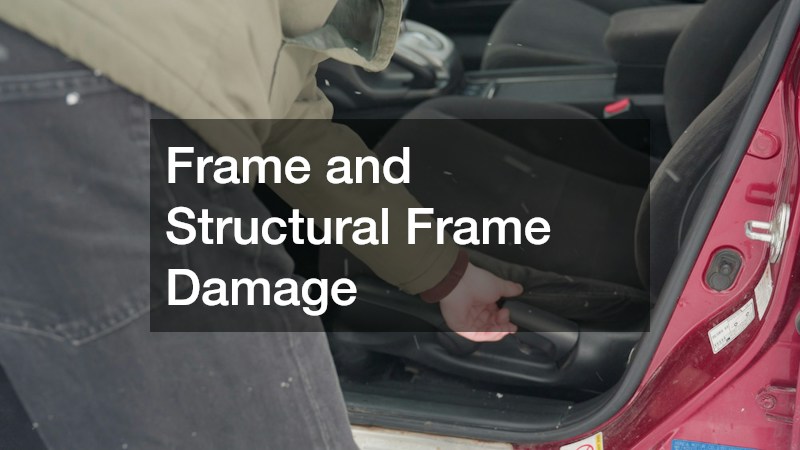
The frame or unibody structure of your vehicle serves as the foundation for safety, vehicle stability, and mechanical function. During an impact, the structural core is engineered to absorb and redistribute energy away from the passenger cabin through calculated crumple zones. Even a low-speed impact that seems minor on the surface can warp, twist, or misalign this foundational support system.
Inspecting the Unibody and Crumple Zones
After an accident, request a complete physical inspection of the underside of your car using laser measuring systems. Look specifically at the crumple zones around the radiator support, bumper reinforcement bars, and rear trunk pan. If you notice uneven panel gaps between the hood, doors, or trunk lid, or if doors stick when opening and closing, the underlying unibody is likely twisted and requires professional auto repair services to straighten out.
Checking for Subframe Misalignment
Examine the vehicle subframe mounting points where the suspension connects to the main chassis. Look for chipped paint, flaking rust, or cracked welds around these critical junction points, as these visual cues indicate structural stress and movement. A shifted subframe compromises straight-line stability and must be pulled back into factory specifications using hydraulic frame machines.
Drivetrain and Engine Malfunctions
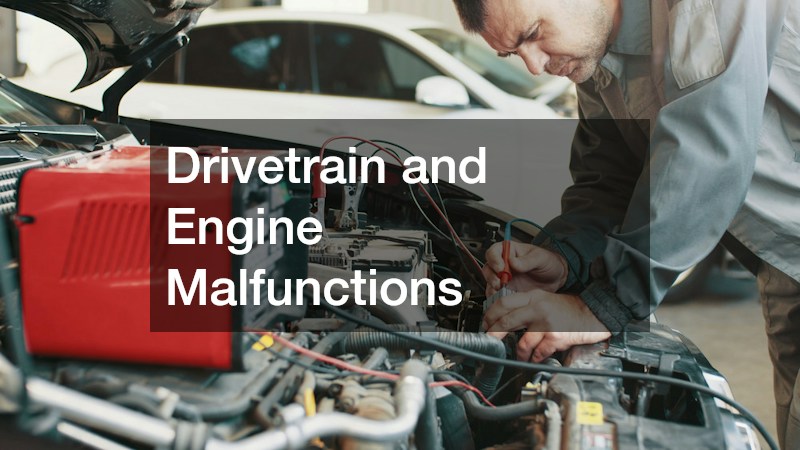
The force generated by an impact is rarely confined to the exterior sheet metal; it ripples through the engine bay and drivetrain. Shifts in engine placement, severed liquid lines, or cracked housings can turn minor accidents into major mechanical failures if overlooked.
Identifying Transmission and Drivetrain Stress
Impact forces can easily push the engine or transaxle out of position, severing internal mounts and straining mechanical shafts. If you experience delayed gear engagement, slipping, or unusual whining sounds when accelerating post-collision, you should immediately schedule a comprehensive transmission repair to prevent complete system failure. Inspect the fluid pan for cracks or fresh fluid leaks underneath the center of the vehicle.
Testing Engine Mounts and Accessories
Check the rubber and hydraulic engine mounts for tears, cracks, or fluid leakage. Start the engine and pay close attention to excessive engine movement, clunking noises during gear shifts, or heavy vibrations inside the cabin. Inspect front-end engine accessories, including the alternator, power steering pump, and air conditioning compressor, to ensure their pulleys and belts remain perfectly aligned and undamaged.
Suspension and Steering Systems
Your vehicle suspension system controls tire contact with the road, cornering stability, and braking performance. Because suspension components absorb a substantial portion of lateral impact energy during a crash, they are exceptionally vulnerable to bending, cracking, or breaking.
Evaluating Wheel Alignment and Control Arms
Drive the vehicle at low speeds in an open, empty parking lot to see if the car pulls aggressively to one side when the steering wheel is held centered. If you observe steering drift, uneven tire wear, or a crooked steering wheel while driving straight, seek out a local wheel alignment specialist to check for bent control arms, tie rods, and strut towers.
Checking Shock Absorbers and Wheel Hubs
Visually inspect each shock absorber and strut casing for fluid leaks or dented bodies. Push down firmly on each corner of the vehicle; if the body bounces more than twice before settling, the suspension damper is internal damaged. Additionally, listen for grinding or humming noises coming from the wheels at speed, which points directly to a damaged wheel bearing assembly.
Electrical and Electronics Failure
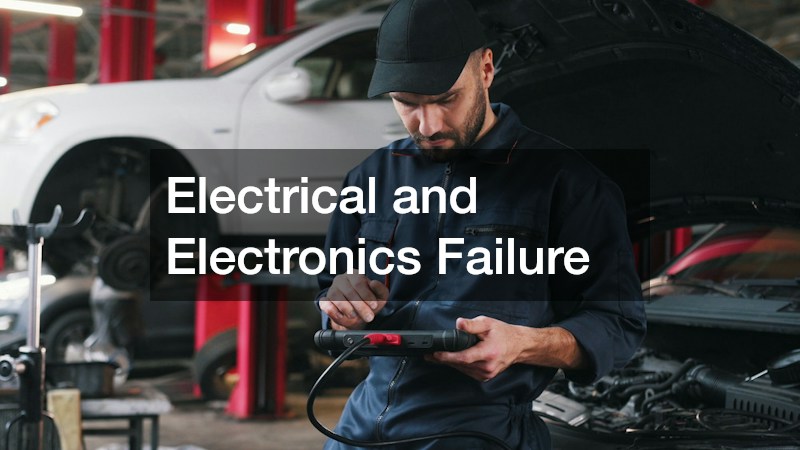
Modern vehicles rely on intricate networks of sensors, wiring harnesses, and computerized control modules. An accident can pinch wires, crack delicate circuit boards, or dislodge crucial safety sensors that govern modern driving features.
Scanning Advanced Driver Assistance Systems
Request a full pre-scan and post-scan using diagnostic diagnostic tools to clear soft fault codes and identify blind-spot sensors, forward collision cameras, or lane-keep sensors that were knocked out of calibration. These Advanced Driver Assistance Systems must be digitally recalibrated after any front or rear bumper repair to function correctly and keep you safe.
Checking Wiring Harnesses and Fuses
Look along the inner fender walls, engine bay perimeter, and bumper cavities for pinched, frayed, or crushed wiring looms. Inspect the main fuse box for blown fuses or loose relays caused by sudden physical shock. Replace any damaged wiring sections immediately to prevent electrical shorts, battery drain, or potential vehicle fires.
Body Panel and Cosmetic Restoration
Restoring your vehicle to its pre-accident condition involves far more than simply replacing damaged body parts. It requires precision installation, structural seam sealing, and specialized protective finishes to defend against corrosion and aesthetic degradation.
Repairing Composite and Sheet Metal Damage
Inspect plastic bumper covers, aluminum panels, and steel fenders for deep stress cracks or stretched metal that cannot be easily reshaped. When restoring exterior components, ensure the repair shop uses genuine factory panels and professional auto collision services that utilize high-grade paint systems to match the exact factory finish and preserve long-term durability.
Evaluating Paint Integrity and Clear Coat
Examine the painted surfaces surrounding the impact zone under bright, direct light to identify hairline cracks, spider-web fracturing, or chipped clear coat. Untreated paint fractures allow moisture to penetrate to the bare metal beneath, leading to premature rusting. Apply high-grade sealant or arrange for professional paint blending to seal the exposed surfaces against environmental elements.
Glass, Mirrors, and Window Systems
Vehicle glass plays a major structural role in modern automobiles, providing up to thirty percent of the structural strength in a rollover event. Even small hairline cracks or compromised window channels require immediate evaluation after a crash.
Replacing Damaged Glass and Solar Films
Inspect the front windshield and side windows for small bullseye chips, stress cracks extending from the edges, or delamination of the glass layers. If your side glass features aftermarket heat-rejection films that were torn during impact or window replacement, consult a qualified local auto tinting service to match the shading and privacy rating of your remaining windows.
Ensuring Driver Visibility and Glass Integrity
Check the front windshield for minor pitting or spidering near the top center, where forward-facing cameras and sensors are mounted. If you need windshield tinting installed on a replacement glass panel, verify that the film composition does not interfere with optical rain sensors or infrared camera systems located near the rear-view mirror.
Passenger Cabin and Detailing Care
The interior of your car often suffers collateral damage during a crash, ranging from shattered glass particles embedded in fabric to deployment debris and stained upholstery. Thorough interior restoration is necessary for both health and comfort.
Removing Debris and Restoring Upholstery
Vacuum the cabin thoroughly using high-powered industrial equipment to remove fine glass shards, plastic splinters, and chemical residue left by deployed airbags. Schedule a deep car detailing service to clean delicate dashboard materials, shampoo carpet fibers, and sanitize climate control ducts so that no fine particulates remain inside the passenger space.
Inspecting Seat Mechanisms and Belts
Pull every seat belt out to its full extension to inspect the webbing for fraying, stretching, or tearing caused by emergency tensioners locking up during impact. Verify that seat track adjustments, power recline motors, and seat-belt latching mechanisms lock securely into position without grinding or binding.
Door Mechanisms and Latching Systems
Vehicle doors house complex internal mechanisms, including side-impact protection bars, power lock actuators, glass regulators, and electronic latches. Impact forces can bend these internal linkages or throw outer door shells out of alignment with the vehicle pillars.
Fixing Latches and Power Regulators
Test every door handle from both the inside and outside of the vehicle to confirm smooth latch operation. If a door fails to open cleanly, catches on the striker plate, or refuses to lock electronically, you need specialized automatic door repairs to restore the internal linkages, hinges, and power door lock actuators back to proper working order.
Checking Weatherstripping and Water Seals
Examine the rubber weatherstripping seals running along the door frames and window channels for tears, pinches, or improper seating. Pour water over the exterior door gaps to test for leaks, as damaged seals permit rainwater and wind noise to enter the cabin, causing interior mold and electrical damage.
Wheel and Tire Integrity
Tires and wheels bear the direct impact of collisions involving curbs, other vehicles, or road debris. Damage to these components poses an immediate risk of sudden tire blowouts or mechanical failure at highway speeds.
Checking Wheels for Cracks and Bends
Remove wheels located near the impact point and inspect the inner and outer barrel lips for bends, hairline cracks, or missing balancing weights. Cast aluminum wheels can fracture internally during an impact, holding air temporarily before suffering a catastrophic loss of pressure. Replace any wheel exhibiting structural deformities.
Inspecting Tires for Internal Separation
Examine tire sidewalls for bulges, gouges, or torn rubber, which indicate internal cord separation caused by the impact force. Check tread depth across the full width of the tire to identify unusual scrub patterns that suggest severe suspension misalignment occurred during the accident.
Insurance, Legal, and Repair Logistics
Managing the aftermath of a collision extends beyond the mechanical repair bay. Navigating insurance claims, documenting damage, and transporting an inoperable vehicle safely require careful logistical planning.
Towing and Transport Logistics
If your vehicle is unsafe to drive or exhibits active liquid leaks post-collision, avoid driving it under any circumstances. Ensure that the transport service utilizes proper towing and recovery equipment, such as flatbed tow trucks with soft-wheel tie-downs, to prevent further drivetrain or frame damage during transit to the repair center.
Navigating Claims and Legal Protections
Keep detailed records of every repair estimate, photographic evidence from the crash scene, and diagnostic diagnostic printouts. Understanding basic principles of car accident law can help protect your rights when negotiating with insurance adjusters, ensuring you receive complete compensation for both visible body damage and subtle mechanical issues.
Documenting Comprehensive Repairs
Maintain a centralized folder containing all invoices, body shop warranties, and replaced parts lists. This paper trail proves that your vehicle was restored according to original equipment manufacturer guidelines, preserving your car residual market value and providing peace of mind when you return to the road.
Navigating post-accident car repairs requires patience, vigilance, and an uncompromising approach to quality. While cosmetic damage is often the most visually pressing issue, it is the underlying mechanical, structural, and electrical systems that ultimately dictate whether your vehicle remains safe to drive. By systematically evaluating every component from the subframe and suspension down to the glass seals and interior electronics, you ensure that no hidden defects are left to compromise your safety. Work exclusively with certified technicians, request comprehensive diagnostic scans, and keep detailed documentation throughout the process to guarantee your vehicle is returned to pre-accident condition.
To assist you in navigating the repair process efficiently, review this summary checklist of essential post-accident inspection steps:
- Request a complete 3D electronic frame measurement to verify unibody integrity and panel alignment.
- Perform full pre-repair and post-repair diagnostic computer scans to recalibrate onboard safety systems.
- Inspect all fluid lines, drivetrain mounts, and transmission casings for subtle leaks or cracks.
- Verify that suspension components, tie rods, and shock absorbers are straight and fully functional.
- Test all door latches, power window regulators, and safety belt pre-tensioners for smooth operation.
- Examine wheels for hidden internal hairline cracks and inspect tire sidewalls for structural bulges.
- Sanitize and deep-clean the vehicle interior to remove fine glass dust and deployment residue.
Taking these proactive measures ensures your vehicle remains reliable, secure, and ready for the road ahead.