
Planning a road trip involves more than choosing a destination, packing luggage, and mapping out interesting stops along the way. Before heading out, drivers should take time to prepare their vehicles for the distance ahead. A well-maintained vehicle can make a significant difference in travel comfort, reliability, and safety, especially when driving through unfamiliar areas or spending several hours on the road.
Unexpected vehicle problems can quickly interrupt travel plans and create unnecessary stress. Checking essential components, reviewing vehicle fluids, inspecting tires, and organizing emergency supplies can help drivers identify potential concerns before leaving home. Even a relatively short trip can put additional demands on a vehicle, making preparation an important part of responsible driving.
A pre-trip inspection doesn’t have to be complicated or time-consuming. With a consistent checklist, drivers can review important vehicle systems, address maintenance needs, and feel more confident about their upcoming travels.
1. Inspect Tires and Tire Pressure
Tires are among the most important components to inspect before a road trip. They maintain contact with the road, support the vehicle’s weight, and influence braking, handling, and overall driving performance. Worn or improperly inflated tires can make long-distance travel more challenging and increase the risk of a roadside emergency.
Start by checking the pressure of all four tires, including the spare if your vehicle has one. The recommended pressure is usually listed on a sticker inside the driver’s door or in the owner’s manual. Avoid relying on the maximum pressure printed on the tire itself because that number doesn’t necessarily represent the manufacturer’s recommended setting.
Drivers should also examine the tread for uneven wear, cracks, bulges, or embedded objects. Uneven tread wear may indicate alignment or suspension concerns that deserve attention before departure. Tires with insufficient tread may also struggle to maintain traction in wet conditions.
If the tires appear damaged or excessively worn, have them inspected by a professional before traveling. Replacing problematic tires ahead of time is generally more convenient than dealing with a flat or blowout during a trip.
2. Check Engine Oil and Other Fluids
Vehicle fluids help essential systems operate properly. Before a long drive, check the levels and condition of the fluids recommended by your vehicle’s manufacturer. Low or contaminated fluids can contribute to mechanical problems, particularly when a vehicle is driven for extended periods.
Engine oil is especially important because it lubricates internal components and helps reduce friction. Check the oil level using the dipstick or the vehicle’s electronic monitoring system, following the instructions in the owner’s manual. If the oil is dirty, low, or approaching its recommended replacement interval, schedule an oil change before leaving.
Coolant is another important fluid because it helps regulate engine temperature. Check the coolant reservoir when the engine is completely cool, and never remove a hot radiator cap. Low coolant levels or visible leaks may indicate an issue that needs professional attention.
Other fluids worth reviewing include:
- Brake fluid: Supports the hydraulic braking system and should remain within the recommended range.
- Transmission fluid: Helps the transmission operate properly, although some newer vehicles have sealed systems that require professional inspection.
- Windshield washer fluid: Helps maintain visibility by removing dirt, dust, and road debris.
- Power steering fluid: Should be checked if your vehicle uses a hydraulic steering system.
- Differential fluid: May require inspection depending on the vehicle’s drivetrain and maintenance schedule.
Addressing fluid concerns before traveling can help reduce the likelihood of preventable mechanical interruptions.
3. Schedule Necessary Vehicle Maintenance
A road trip is a good opportunity to review your vehicle’s maintenance history and determine whether any scheduled services are overdue. Regular inspections can help identify developing problems before they become more disruptive or expensive.
Review your owner’s manual for recommended maintenance intervals. Depending on your vehicle’s age, mileage, and driving conditions, you may need new filters, fresh fluids, replacement belts, or additional inspections.
If you notice unusual noises, vibrations, warning lights, or changes in vehicle performance, don’t ignore them simply because the vehicle still runs. These symptoms may indicate an issue that could become more noticeable during extended driving.
Scheduling an appointment with an auto repair service can help you address concerns before your departure. A qualified technician can inspect important systems, evaluate potential problems, and recommend repairs based on the vehicle’s condition.
Proper auto maintenance also supports long-term vehicle reliability. Keeping up with routine services can help drivers avoid preventable breakdowns and maintain better control over their vehicle’s upkeep.
4. Evaluate the Engine and Transmission
The engine and transmission play central roles in vehicle performance. Because road trips often involve extended periods of driving, these systems should be in good working condition before departure.
Start by paying attention to how the engine sounds and responds. Unusual knocking, excessive vibrations, rough idling, smoke, or difficulty starting may indicate mechanical problems. Dashboard warning lights should also be investigated rather than ignored.
Some engine problems develop gradually, making them easy to overlook during everyday driving. However, extended travel may place additional demands on components that are already experiencing wear. Professional car engine repairs may be necessary if an inspection reveals leaks, damaged components, or other performance concerns.
The transmission deserves similar attention. Watch for delayed shifting, slipping gears, unusual noises, or fluid leaks. These symptoms can indicate problems that should be evaluated before traveling long distances.
If a transmission has already been replaced, make sure the replacement is functioning correctly and that any required maintenance has been completed. When evaluating a used transmission, drivers should consider its compatibility, condition, service history, and warranty coverage.
Taking care of engine and transmission concerns before departure can help prevent an inconvenient breakdown far from home.
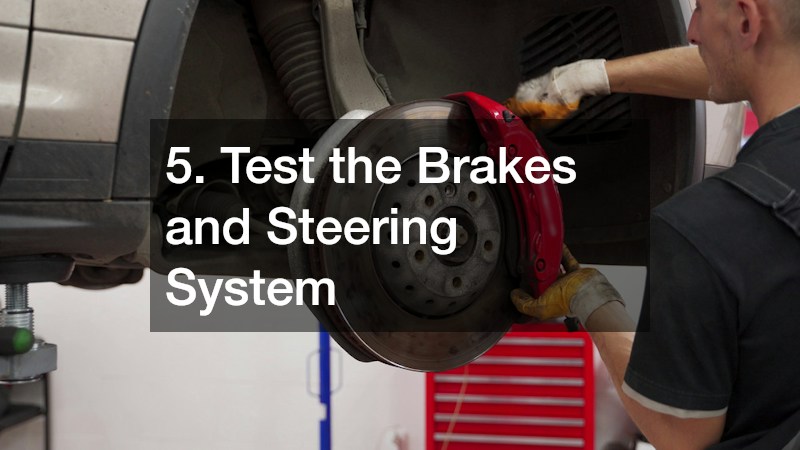
5. Test the Brakes and Steering System
Reliable brakes are essential for safe road travel. Drivers may encounter sudden traffic slowdowns, steep roads, construction zones, and unexpected obstacles, so the braking system needs to respond properly.
Pay attention to any changes in braking performance before your trip. Common warning signs include squealing or grinding noises, vibrations when applying the brakes, a soft brake pedal, or a vehicle that pulls to one side.
Brake pads and rotors should be inspected if there are signs of excessive wear or damage. Brake fluid levels should also be reviewed, although adding fluid shouldn’t replace investigating the reason for a low level.
The steering system is equally important because it helps drivers maintain control throughout the journey. Check for excessive steering wheel movement, unusual resistance, vibrations, or difficulty keeping the vehicle moving straight.
If anything feels different while driving, schedule a professional inspection before departure. A properly functioning braking and steering system can make a major difference when responding to changing road conditions.
6. Inspect Lights, Wipers, and Auto Glass
Visibility is an important part of road safety, particularly when traveling at night or driving through rain, fog, or other challenging weather conditions. Before leaving, check that all exterior lights are working correctly.
Ask someone to help verify the operation of your headlights, high beams, brake lights, turn signals, hazard lights, and reverse lights. Replace any burned-out bulbs and clean dirty light covers so other drivers can see your vehicle clearly.
Next, inspect the windshield and windows for chips, cracks, and other damage. Even a small windshield chip can spread because of temperature changes, road vibrations, or additional impacts.
Professional auto glass repairs may be necessary if damage affects visibility or compromises the windshield’s condition. Don’t assume a small crack can wait until after the trip, especially if it is directly within the driver’s field of vision.
Windshield wipers should also be checked for cracked rubber, streaking, or inconsistent movement. Replace worn blades before departure and refill the washer fluid reservoir.
Clean windows, functional lights, and reliable wipers help drivers maintain better visibility throughout their travels.
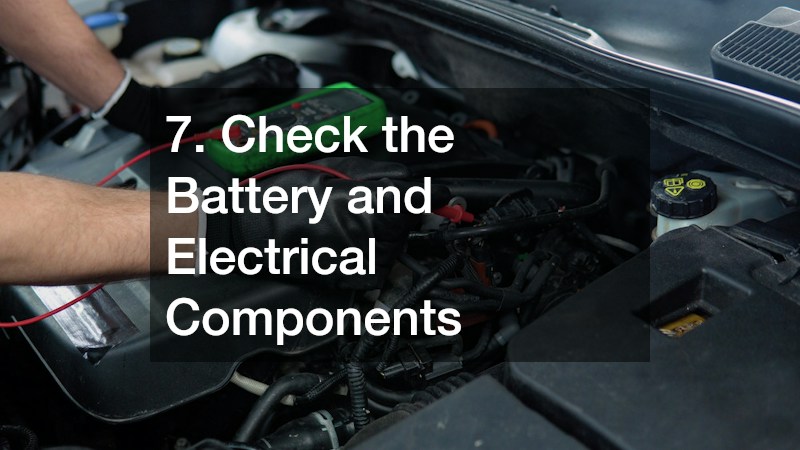
7. Check the Battery and Electrical Components
A vehicle battery can cause significant inconvenience when it fails away from home. Before a road trip, inspect the battery for corrosion, loose connections, visible damage, or signs of leakage.
If your vehicle has been slow to start or the headlights appear unusually dim, the battery or charging system may need attention. A professional can test the battery’s condition and determine whether it is capable of holding a sufficient charge.
Also, check that the alternator is functioning properly. The alternator supplies electrical power while the engine runs and helps recharge the battery. Problems with the charging system can affect multiple electrical components.
Drivers should test the vehicle’s dashboard displays, power windows, interior lights, and other essential electrical features. Make sure the horn works and that the hazard lights can be activated when needed.
Addressing electrical concerns before traveling can help reduce the risk of unexpected starting problems or other interruptions.
8. Prepare Your Vehicle’s Exterior
The exterior of your vehicle deserves attention before a long journey. Dirt, road grime, and debris can affect visibility and conceal minor damage that might need attention.
Wash the vehicle, clean the windows, and check the mirrors for cracks or loose fittings. Make sure the license plates are secure and visible, and remove anything that could obstruct your view while driving.
Drivers who want additional exterior protection may consider auto PPF services. Paint protection film can help protect certain painted surfaces from minor scratches, stone chips, and everyday road debris. However, this is an optional investment rather than a requirement for safe travel.
Auto accessories can also make a road trip more convenient when selected carefully. Items such as phone mounts, cargo organizers, sunshades, and seat-back storage organizers can help keep frequently used belongings accessible without cluttering the cabin.
If you are transporting a vehicle rather than driving it to your destination, research reputable auto transport services. Confirm the company’s insurance coverage, delivery arrangements, vehicle inspection procedures, and pickup requirements before scheduling transportation.
9. Organize an Emergency Roadside Kit
Even with careful preparation, unexpected situations can happen during road travel. Having an emergency kit available can make it easier to respond to minor problems while waiting for professional assistance.
Store essential supplies in an accessible area of your vehicle without obstructing passengers or important equipment.
Consider including the following items:
- First-aid kit: Basic medical supplies for minor injuries.
- Flashlight: Useful for nighttime emergencies and vehicle inspections.
- Jumper cables or a jump starter: Helpful if the battery loses its charge.
- Tire pressure gauge: Allows you to check tire pressure when needed.
- Portable tire inflator: Can help address certain low-pressure situations.
- Reflective warning triangles: Help alert approaching drivers to a roadside problem.
- Basic tools: A small set of tools for simple, appropriate adjustments.
- Phone charger: Keeps your phone powered for navigation and emergency communication.
- Drinking water: Provides hydration during unexpected delays.
- Blanket and extra clothing: Useful when weather conditions change.
- Nonperishable snacks: Helpful if you become delayed between stops.
Drivers should also know where their vehicle’s spare tire, jack, and lug wrench are located. Review the owner’s manual to understand how to use these items safely.
Keep roadside assistance information, insurance details, vehicle registration, and emergency contacts accessible. Being prepared can make an unexpected delay less stressful.
10. Plan Your Route and Check Travel Conditions
Vehicle preparation is only one part of getting ready for a road trip. Drivers should also review their planned route and consider conditions that could affect the journey.
Start by checking the distance, estimated driving time, and major roads you intend to use. Identify convenient places to stop for fuel, meals, restroom breaks, and rest. Planning these stops ahead of time can help make a long journey feel more manageable.
Check the weather forecast for your destination and the areas along your route. Rain, snow, strong winds, and extreme temperatures may affect driving conditions or require additional preparation.
Traffic conditions should also be considered. Construction, road closures, and congestion can create delays, so having an alternate route available may help prevent unnecessary stress.
Before leaving, make sure your navigation system is updated and that your phone has enough battery power. Download offline maps if you expect to travel through areas with limited cellular service.
Most importantly, plan realistic driving periods. Taking regular breaks can help reduce fatigue and give you an opportunity to stretch, hydrate, and check on your vehicle.
11. Review Your Insurance and Emergency Contacts
Before departing, take a few minutes to review your insurance information and make sure your coverage is current. Keep a copy of your insurance card and vehicle registration somewhere accessible, whether physically or through an approved digital storage option.
Understand what your policy covers, including roadside assistance, towing, rental vehicles, and collision-related expenses. If you are traveling across state lines, review any coverage questions that may apply to your route.
It can also be helpful to know what resources are available if an accident occurs. A car accident attorney can explain legal options and help individuals understand their rights after a collision. Drivers may also encounter car accident law firms that provide information about insurance disputes, injury claims, and accident-related legal matters.
Keep important contact information available, including your insurance provider, roadside assistance company, and trusted emergency contacts. If you experience a collision, prioritize everyone’s safety, contact emergency services when necessary, and follow the appropriate reporting procedures.
Preparing these details in advance can make it easier to respond calmly if something unexpected happens.
A successful road trip starts with a vehicle that is ready for the journey. Taking time to inspect tires, check fluids, evaluate the engine, test the brakes, and review important electrical components can help drivers identify potential concerns before they become major problems. Organizing an emergency kit and planning the route also contribute to a more comfortable and predictable travel experience.
Remember that vehicle preparation isn’t limited to the day before departure. Keeping up with routine maintenance, addressing unusual performance changes, and scheduling professional inspections when necessary can help support long-term reliability. These habits can also reduce the likelihood of preventable interruptions during future trips.
Whether you’re planning a weekend getaway or a longer cross-country adventure, a little preparation can go a long way. Use this checklist before departure, give yourself enough time to address any concerns, and avoid rushing through important inspections. With a properly prepared vehicle and a thoughtful travel plan, you can spend less time worrying about unexpected problems and more time enjoying the journey ahead.