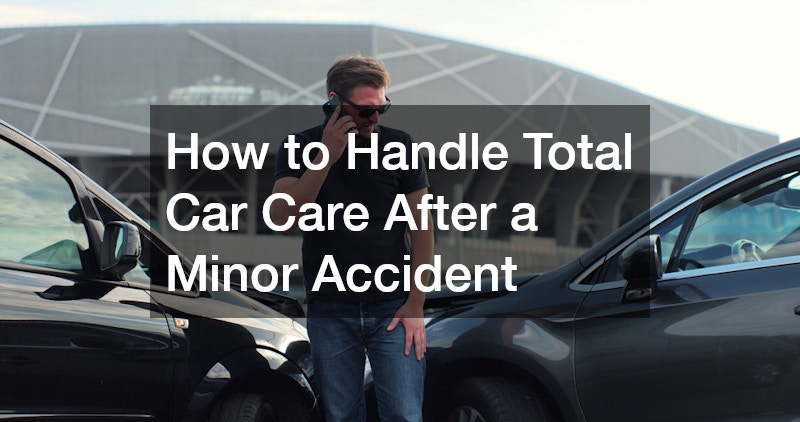
A sudden, jarring impact on the road can turn an ordinary commute into a stressful ordeal in a matter of seconds. Even when an incident is categorized as a minor fender bender, the aftermath requires careful management to ensure your vehicle remains safe, reliable, and aesthetically pristine. While there may be no major injuries, the hidden stresses placed on your vehicle’s mechanical components, structural frame, and exterior surfaces demand a methodical approach to recovery.
1. Immediate Roadside Steps for Safety and Documentation
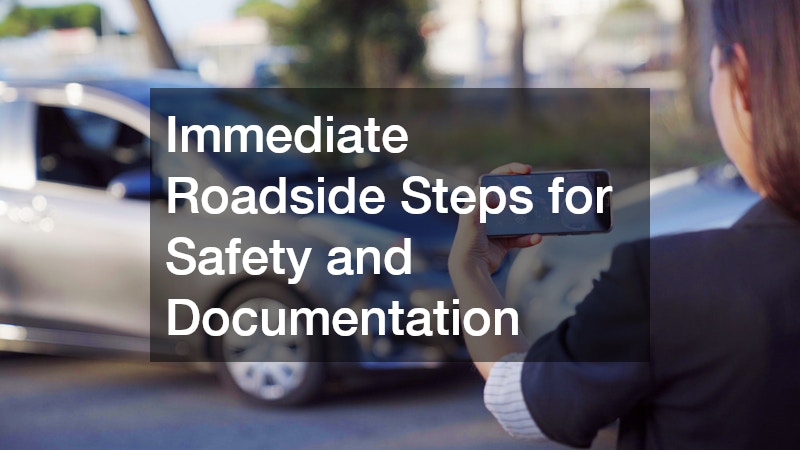
The moments immediately following a collision are critical for establishing a solid foundation for your vehicle’s physical and financial recovery. Your primary objective must be to secure the scene, prevent secondary accidents, and gather comprehensive data that will serve as an objective record of the event. Even if the incident seems inconsequential, adrenaline can mask vehicle damage and physical symptoms, making immediate thoroughness vital.
-
Activate Hazards and Relocate Safely: Turn on your vehicle’s hazard lights instantly to alert oncoming traffic. If the vehicle is operational and positioned in a high-risk area, carefully move it to the nearest shoulder, breakdown lane, or nearby parking lot to prevent secondary collisions.
-
Conduct a Safety Assessment: Check yourself, your passengers, and the occupants of the other vehicle for any immediate signs of injury. If anyone experiences pain, dizziness, or visible trauma, call emergency services immediately.
-
Capture Detailed Visual Evidence: Take high-resolution photographs from multiple angles, capturing wide shots of the entire scene, the positioning of all involved vehicles, relevant road markings, traffic signs, and close-ups of all physical damage. Ensure you document the license plates of all vehicles present.
-
Exchange Baseline Information: Collect names, phone numbers, driver’s license numbers, and insurance policy details from all operators involved. Maintain a calm, neutral, and courteous demeanor, avoiding any discussions regarding fault, apologies, or expressions of blame.
-
Engage Law Enforcement Officials: Contact the local police department to request an officer at the scene. An official, unbiased police report provides an invaluable documentation trail that protects you against changing stories or fraudulent claims later on.
Once the scene is fully documented and secured, you can transition your focus away from crisis management and toward the structured administrative steps required to begin the physical restoration process. The evidence collected at the roadside serves as your primary shield during the subsequent claims evaluations.
2. Initiating Communication and Filing Administrative Claims
With roadside documentation securely in hand, the next phase involves navigating the administrative pathways necessary to secure funding for your repairs. Timely reporting is crucial, as many policies dictate strict windows within which an incident must be logged. Initiating this process correctly ensures that you do not inadvertently compromise your coverage or face unnecessary out-of-pocket expenses.
It is important to understand your consumer rights regarding repair facility selection. While your automobile insurance representative may suggest a list of preferred or direct-repair facilities, you generally retain the legal right to choose any certified center that meets your standards for quality and expertise. Working transparently with your car insurance company from day one ensures that all estimates, supplement requests, and repair authorizations flow smoothly without administrative friction.
3. Choosing a Specialized Facility for Structural Inspection
Selecting the right facility to evaluate physical damage is one of the most consequential decisions you will make in the post-accident journey. Modern automotive structures rely on advanced engineering principles where exterior panels work in tandem with hidden reinforcement bars to protect the passenger cabin. A standard mechanical garage may lack the heavy equipment required to measure and correct structural deviations.
-
Verify Facility Certifications: Look for facilities that hold recognized industry certifications, such as I-CAR Gold Class status, or direct manufacturer approvals, which indicate advanced technical training and adherence to strict repair standards.
-
Inquire About Specialized Tooling: Ensure the facility utilizes computerized frame-measuring systems, advanced paint-matching technology, and dedicated welding equipment designed for high-strength steel and aluminum alloys.
-
Evaluate Written Warranty Policies: A reputable repair center should stand firmly behind its craftsmanship by offering a comprehensive, written lifetime warranty on all structural, metal, and paint work performed.
-
Assess Customer Communication Practices: Choose a business that promises transparent, regular updates regarding discovery findings, parts delays, and estimated completion dates.
Entrusting your vehicle to a specialized body shop ensures that every millimeter of structural variance is identified and corrected using factory-prescribed methodologies. This precision is essential not only for cosmetic alignment but also for ensuring that the vehicle’s crumple zones perform exactly as engineered in any future impacts.
4. Restoring Structural Integrity and Cosmetic Surfaces
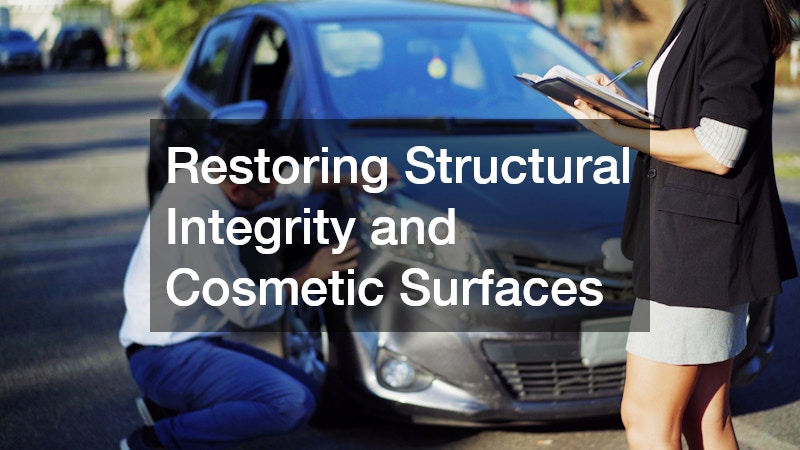
The core of the physical restoration process revolves around correcting the structural and cosmetic distortions caused by the impact force. Even a low-speed collision can bend structural components, alter wheel alignment, or damage energy-absorbing bumper reinforcements. Addressing these issues requires a blend of heavy structural calibration and meticulous exterior craftsmanship.
Following structural alignment, attention shifts to the outer skin of the vehicle, where specialized auto body repair techniques are utilized to address dented panels, creased sheet metal, and compromised paint surfaces. Technicians meticulously smooth imperfections, apply specialized corrosion inhibitors, and utilize advanced paint-matching computers to ensure the new finishes blend seamlessly with the original factory coating.
This phase is critical for halting the onset of rust and environmental degradation, which can quickly take hold on exposed metal surfaces. Every step of this specialized auto body service must be performed with precision, ensuring that all panels align perfectly, door gaps match factory tolerances, and the exterior appearance shows absolutely no evidence of previous structural trauma.
5. Conducting Comprehensive Under-the-Hood Diagnostics
While restoring the exterior panels satisfies cosmetic requirements, the mechanical health of your vehicle must be evaluated with equal rigor under the hood. The sudden, violent deceleration of an accident can cause components within the engine bay to shift, placing immense stress on brackets, wiring harnesses, fluid lines, and mounting points that are normally secure.
-
Inspect Engine and Transmission Mounts: Check the rubber and metal isolating mounts that hold the heavy drivetrain components in place, as these can crack or tear under sudden impact loads.
-
Scan for Hidden Diagnostic Trouble Codes: Utilize advanced diagnostic scanners to read the vehicle’s onboard computers, checking for latent faults in electronic modules, sensor circuits, or emission controls.
-
Examine Cooling System Components: Carefully inspect the radiator, coolant hoses, water pump, and air conditioning condenser for subtle stress cracks or slow fluid leaks that could lead to overheating.
-
Verify Accessory Belt and Pulley Alignment: Ensure that the sudden movement has not misaligned the drive belts or damaged the pulleys operating the alternator, power steering, and water pump systems.
Failing to perform a rigorous mechanical review can result in lingering performance issues or unexpected breakdowns weeks after the initial incident. Integrating a thorough car repair strategy alongside cosmetic work ensures that your vehicle operates reliably and safely under all driving conditions.
6. Verifying Braking System Safety and Hydraulic Function
No safety system on your vehicle is more vital to your daily protection than your stopping mechanism. During an emergency scenario leading up to an accident, drivers typically apply sudden, maximum pressure to the stopping pedal, activating the anti-lock system and putting immense hydraulic stress on every line, caliper, and rotor in the assembly.
Ensuring that your brakes are fully functional and free of internal damage prevents a catastrophic loss of stopping power down the line. If any component shows signs of stress, fatigue, or uneven wear resulting from the collision forces, immediate remediation is required to guarantee your vehicle can decelerate safely in future driving situations.
7. Executing Specialized Component Maintenance and Calibration
Modern braking mechanisms are deeply integrated with electronic stability controls, traction management systems, and automated emergency avoidance technologies. Consequently, a physical inspection must be accompanied by precise calibration of the digital modules that oversee these mechanical components, ensuring they interpret sensor data accurately.
-
Perform Precision Rotor Surfacing or Replacement: Address any friction variations or surface irregularities to ensure smooth, predictable deceleration without pedal pulsation or steering wheel vibration.
-
Flush and Bleed the Hydraulic Circuit: Remove old fluid, moisture, and any trapped air bubbles from the lines to restore a firm, responsive pedal feel and consistent hydraulic pressure distribution.
-
Calibrate Wheel Speed and Inertial Sensors: Reset the digital sensors that feed data to the anti-lock control module, preventing erroneous system interventions or warning lights.
-
Inspect Parking Brake Cables and Linkages: Ensure the mechanical backup system is properly tensioned and free of binding caused by undercarriage impact or debris.
When physical wear or impact damage is discovered during these comprehensive safety checks, completing a professional brake repair is the only acceptable course of action. This work restores the exact stopping distances and pedal modulation characteristics that the manufacturer originally intended for the vehicle.
8. Addressing Glass Fractures and Restoring Structural Vision
The glass components of a modern vehicle do far more than shield occupants from wind and weather; they are structural elements integral to the rigidity of the passenger cabin. During a collision, the vehicle’s frame flexes, transferring significant energy through the window frames, which can introduce hidden stress points in the glass layers.
Even if a windshield appears undamaged immediately after a collision, these internal stress concentrations can cause a minor stone chip or a sudden temperature change to expand rapidly into a sprawling web of cracks. A professional examination of all glass perimeters can identify edge pinching or minor delamination before it compromises cabin safety.
If the impact has caused direct damage, prioritizing professional auto glass replacement is essential. Modern windshields often house specialized cameras and radar units for lane-keep assist and collision warning systems, meaning a replacement requires specialized glass installation along with precise electronic recalibration of the optical sensors.
9. Optimizing Cabin Comfort and Enhancing Glass Protection
Once the structural glass components have been restored to factory standards, you have an excellent opportunity to focus on specialized upgrades that enhance long-term comfort, privacy, and safety. Installing protective films on your vehicle’s windows provides a layer of defense that extends far beyond simple cosmetic enhancement.
-
Mitigate Solar Heat Infusion: Advanced ceramic and carbon films reflect a massive percentage of infrared radiation, keeping the interior cabin significantly cooler and reducing strain on the climate control system.
-
Block Destructive Ultraviolet Radiation: High-quality films reject up to ninety-nine percent of harmful UV rays, protecting delicate leather, vinyl, and plastic interior trim components from fading, cracking, and premature aging.
-
Enhance Glass Shatter Resistance: The presence of a tough, micro-thin polymer layer helps hold fractured glass fragments together in the event of an impact, preventing dangerous shards from entering the passenger cabin.
-
Improve Visual Contrast and Reduce Glare: Specialized coatings minimize blinding reflections from sunlight and oncoming headlights, significantly reducing eye strain and fatigue during extended driving sessions.
Choosing to apply a premium window tint during the post-accident restoration window is a highly efficient strategy, as the vehicle is already in a clean, controlled workshop environment. This ensures a flawless, bubble-free application that enhances both the vehicle’s aesthetic appeal and its functional efficiency for years to come.
10. Final Verification, Quality Inspection, and Value Preservation
The final stage of a complete post-accident recovery plan involves a rigorous, multi-point quality inspection before signing off on the completed work and returning the vehicle to daily service. This step ensures that all independent mechanical, structural, and aesthetic repairs have been executed harmoniously and to the highest professional standards.
Begin by conducting a slow, systematic walk-around of the vehicle in bright, natural daylight, checking panel gaps for uniform spacing and inspecting the paint finish for any texture variances, overspray, or dust inclusions. Open and close every door, the hood, and the trunk lid to ensure all latches engage smoothly without requiring force or showing misalignment.
Next, request a comprehensive road test accompanied by the shop’s quality assurance manager to verify mechanical performance under real-world driving conditions. Pay close attention to steering tracking, tracking stability, pedal responsiveness, and the absolute absence of unusual squeaks, rattles, or aerodynamic wind noises that could indicate unresolved underlying issues.
Successfully navigating the recovery process after a minor accident requires moving deliberately through administrative, structural, mechanical, and protective phases. By shifting your perspective from quick cosmetic fixes to a holistic strategy, you protect your financial investment, maintain structural safety margins, and ensure long-term mechanical reliability.
Remember that you are your vehicle’s primary advocate during the post-crash restoration process. Remaining organized, asking targeted questions of all service providers, and demanding precise craftsmanship ensures that your car returns to the road in a condition that is truly as good as, or better than, it was before the incident occurred.