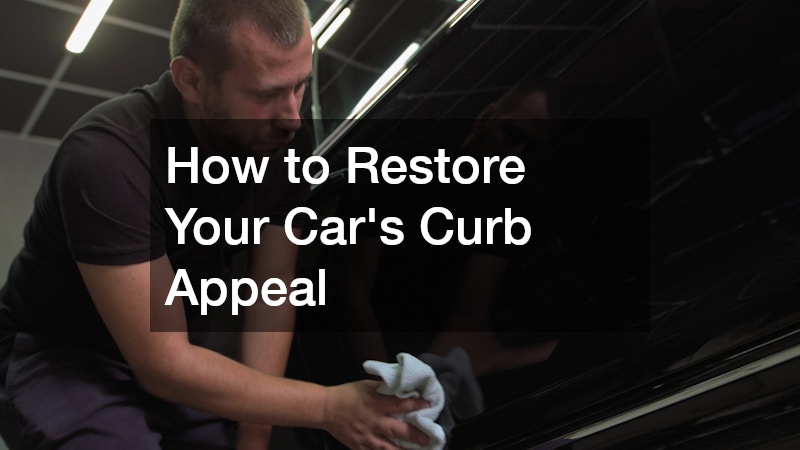
There is a profound sense of satisfaction that comes from walking across a parking lot and catching a glimpse of your own vehicle looking its absolute best. For the dedicated enthusiast, a car is never just a tool for transportation; it is an extension of one’s personality, a mechanical companion, and a significant investment of both time and capital. Restoring curb appeal is about more than just vanity. It is about honoring the engineering that went into the machine and ensuring that every component, from the engine internals to the curve of the fender, reflects a standard of excellence. When a car looks neglected, the world assumes it is mechanically suspect as well. Conversely, a vehicle that gleams with a deep, liquid shine suggests an owner who is meticulous about every aspect of its operation.
Assessing the Foundation of Vehicle Reliability
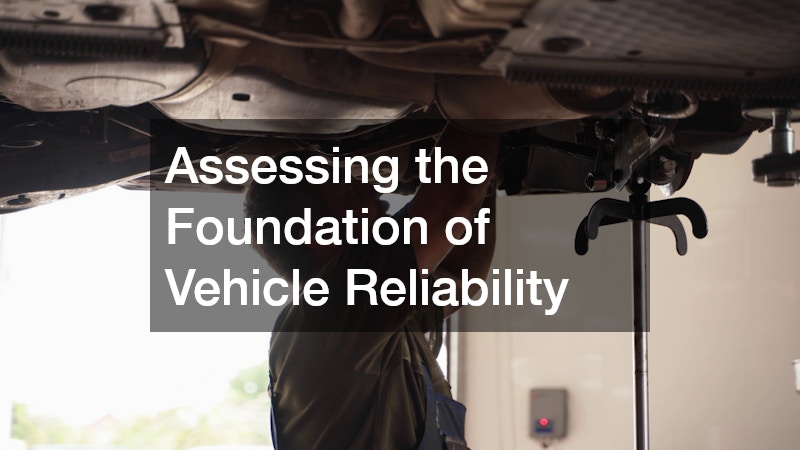
Curb appeal is a holistic concept. You can have the most beautiful paint in the world, but if your car is sitting on the side of the road with the hood up, that aesthetic value evaporates instantly. True pride of ownership begins with the confidence that the vehicle is ready to perform at a moment’s notice. Before we dive into the waxes and polishes, we must ensure the mechanical heart of the machine is healthy and that the vehicle presents itself as a reliable, functional piece of equipment.
One of the most embarrassing moments an enthusiast can face is a dead battery in a public setting. A car that fails to fire up not only ruins your schedule but also signals a lack of basic maintenance to everyone watching. To avoid this, you should regularly inspect your battery terminals for acid buildup and ensure your alternator is charging the system within the correct voltage range. Being prepared for the unexpected is part of the gearhead creed, which is why keeping a set of heavy-duty jumper cables or a portable lithium power pack in your trunk is a wise move, allowing you to quickly perform a jump start for yourself or a fellow driver without the need for a tow truck.
Beyond the electrical system, the way a car sits and sounds as it moves through a neighborhood defines its character. A car that emits high-pitched squeals or grinding noises as it slows down immediately loses its premium appeal. You should pull your wheels at least twice a year to inspect the thickness of the pads and the condition of the rotors. Maintaining high-quality brakes ensures that you have the stopping power necessary for daily driving while also preventing the accumulation of corrosive metallic dust that can permanently etch the finish of your expensive alloy wheels.
Precision Glass and Structural Integrity
The greenhouse of the vehicle—the windows and windshield—is often the most overlooked aspect of curb appeal. Glass occupies a large percentage of a car’s surface area, and its clarity dictates how the rest of the car is perceived. Similarly, the “straightness” of the body panels tells a story of how the car has been treated over the years. Even a single small dent can disrupt the way light flows over a car’s profile, making the entire vehicle look aged and weary.
The front of a car acts as a vacuum for road debris, and the glass often takes the brunt of the impact. Even the smallest stone can create a chip that, if left untreated, will expand across the entire surface due to temperature fluctuations and road vibrations. Taking the time to seek out a professional windshield repair at the first sign of damage is an essential maintenance step. Modern resin technology can make many small chips nearly invisible, restoring the structural integrity of the glass and ensuring your view of the road remains unobstructed and crystal clear.
Once the glass is addressed, turn your attention to the metalwork. Modern cars are often built with thin-gauge steel or aluminum to save weight, making them highly susceptible to door dings from crowded parking lots. Rather than opting for expensive and time-consuming traditional bodywork that requires sanding and repainting, you should look into a specialized PDR service to handle these minor imperfections. Paintless dent repair allows a technician to use specialized rods and lighting to massage the metal back to its original shape from the inside out, preserving your factory paint and saving you hundreds of dollars in the process.
Professional Paint Correction and Surface Defense
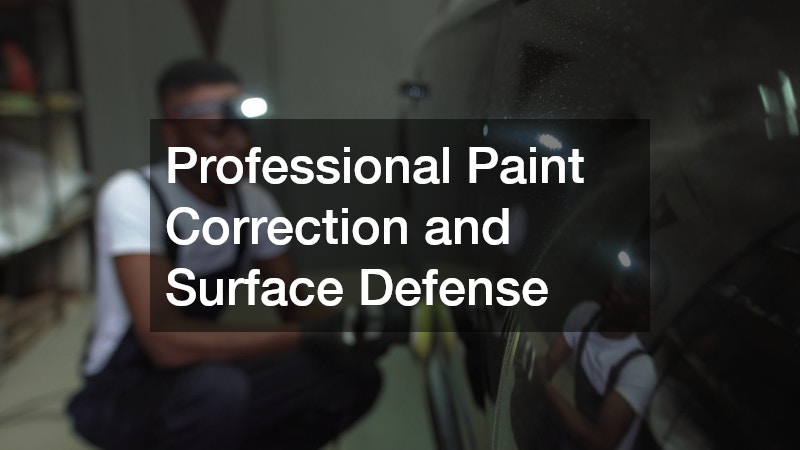
Once the mechanics are sound and the body is straight, it is time to focus on the paint. Most cars on the road today suffer from “swirl marks,” which are microscopic scratches caused by improper washing techniques. These scratches catch the light and make the paint look dull or greyish rather than deep and vibrant. Correcting these flaws is the most transformative step in any restoration project.
Achieving a true mirror-like finish usually requires more than just a bucket of soapy water and a sponge. If your paint has significant oxidation or deep scratches, it might be time to consult with a high-end auto detailing business that specializes in multi-stage machine polishing. These professionals use various grades of abrasive compounds to “level” the clear coat, removing the damaged top layer to reveal the fresh, unblemished paint underneath. This process requires patience and a steady hand, but the results are nothing short of spectacular, often making the car look better than it did the day it left the showroom.
After the paint has been corrected to perfection, you cannot leave it exposed to the elements. Traditional waxes only last a few weeks before they wash away, leaving your hard work vulnerable to bird droppings, UV rays, and road salt. The modern solution for the serious enthusiast is a car ceramic coating, which provides a semi-permanent layer of liquid glass over the surface. This coating is incredibly hydrophobic, meaning water and dirt will slide right off, and it provides a level of hardness that helps resist light scratches while maintaining an incredible depth of gloss for several years.
Modern Aesthetic Transformations
Sometimes, restoring curb appeal isn’t just about fixing what is broken; it is about updating the vehicle to reflect modern tastes. If the original color of your car has become boring or if you want to protect a pristine factory finish while trying out a new look, there are contemporary options that provide incredible flexibility. These modifications allow you to experiment with your vehicle’s appearance without the permanent commitment of a new paint job.
For those who want a dramatic change, such as switching from a glossy finish to a modern satin or matte look, the industry has evolved significantly. High-quality car wraps can be applied to the entire vehicle, offering a wide range of colors and textures that were once impossible to achieve with traditional paint. These films not only refresh the look of an older car but also serve as a sacrificial layer that protects the original paint from rock chips and sun damage, making them a dual-purpose upgrade for both style and preservation.
If a full color change is too aggressive for your taste, you can achieve a “custom shop” look by focusing on the smaller details. Using high-grade adhesive vinyl is an excellent way to perform a “chrome delete” on window trim, mirror caps, or grilles. This small change can take a dated-looking car with silver plastic trim and give it a sleek, modern, and aggressive profile. These small accents are often what separate a standard vehicle from one that truly lives up to the Revved Up Life aesthetic, showing that the owner cares about even the smallest design elements.
Professional Support for Major Restorations
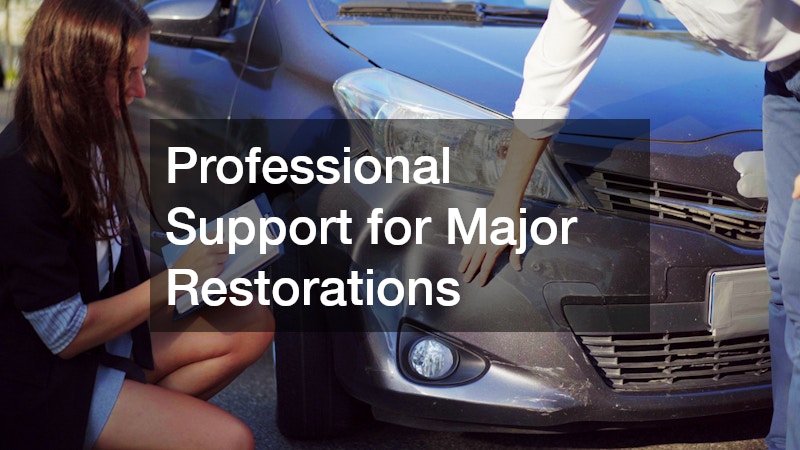
A true gearhead knows when a job is within their wheelhouse and when it requires the heavy artillery. Restoring curb appeal often reveals hidden issues that go beyond the surface level. Knowing who to call and what services to look for is the difference between a car that looks good from twenty feet away and one that stands up to close inspection.
If your vehicle has been involved in a collision or has significant rust bubbling under the surface, you will need the services of a reputable auto body repair service to ensure the job is done right. They have the frame pullers, paint booths, and computerized color-matching systems necessary to ensure that the repair is invisible to the naked eye and that the vehicle remains safe to drive. This level of professional intervention is often the “reset button” needed for a project car that has seen better days.
You should develop a rapport with a local auto repair facility that understands the specific needs of your make and model. Whether it is an oil change using high-zinc lubricants for an older engine or a complex timing belt replacement on a modern car, having a trusted shop on your side ensures that your car’s performance always matches its visual prestige. A car that sounds healthy and runs smoothly completes the image of a well-curated life.
Essential Action Items for Curb Appeal
To help you organize your restoration journey, consider this checklist of high-impact tasks:
- Deep Clean the Wheels and Tires: Use a dedicated iron remover to dissolve brake dust and apply a non-sling tire dressing for a crisp, black finish.
- Restore the Headlights: Cloudy lenses make a car look ancient. Use a restoration kit to sand and clear-coat the lenses for better light output and a cleaner look.
- Refresh the Interior: Use a steam cleaner on the carpets and a high-quality conditioner on leather surfaces to eliminate odors and restore the supple feel of the cabin.
- Replace Worn Trim: Sun-faded plastic cowls and window seals can be replaced relatively cheaply, taking years off the vehicle’s appearance.
- Engine Bay Detailing: A clean engine bay shows that you care about what’s under the hood. Use a mild degreaser and protectant on plastic covers to keep them looking factory-fresh.
Navigating the Costs of Restoration
Restoring a car can be a deep commitment of resources if you aren’t careful. It is important to prioritize the things that provide the most visual and mechanical impact first. Start with the “safety first” items—the things that keep the car running and stopping—and then move into the aesthetic realm. For example, ensuring your suspension is tight and your fluids are fresh provides a better driving experience than a fancy steering wheel ever could.
Once the mechanical foundation is set, you can begin to budget for cosmetic enhancements based on your long-term goals for the vehicle. If you plan to sell the car soon, focus on high-visibility areas like the front bumper and the driver’s seat. If you plan to keep the car for a decade, investing in professional-grade surface protection becomes much more cost-effective. By categorizing your goals into immediate needs and future wants, you can allocate your budget more effectively without draining your bank account all at once.
Long-Term Preservation Strategies
Once you have achieved the desired level of curb appeal, the challenge shifts to maintenance. The goal is to never have to do a full restoration again. This requires a shift in how you interact with your vehicle on a daily basis. Avoid automatic car washes with spinning brushes at all costs, as they will quickly undo all your paint correction work by introducing new swirl marks. Instead, adopt a two-bucket hand-wash method using high-quality microfiber mitts.
Protecting the car from the sun is equally vital. Whenever possible, park in the shade or use a high-quality car cover if the vehicle is stored outdoors. UV rays are the primary enemy of both your paint and your interior materials, causing plastics to crack and clear coats to fail over time. By being proactive and staying on top of the small things—cleaning bird droppings immediately, touching up paint chips as they happen, and keeping the interior vacuumed—you can preserve that “Revved Up” look indefinitely.
The Road to Automotive Perfection
Reclaiming your car’s visual and mechanical glory is a journey that pays dividends every time you get behind the wheel. It is a process that requires patience, a bit of elbow grease, and a willingness to learn new skills. Whether you are doing the work yourself in a garage or managing a team of professionals to execute your vision, the result is a vehicle that commands attention and respect. A car with true curb appeal is more than just a clean machine; it is a testament to the idea that quality and care are worth the effort.